
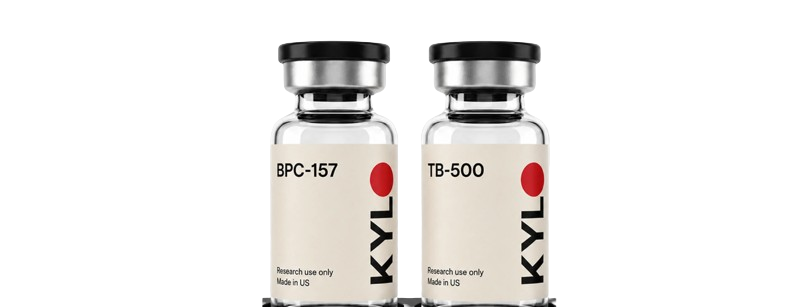
BPC-157, a synthetic peptide derived from a protein found in the human stomach, has garnered significant attention in the field of peptide research due to its potential therapeutic properties. As scientists continue to explore the vast possibilities of peptides, BPC-157 stands out for its intriguing capabilities and applications.
Peptides are short chains of amino acids that serve as building blocks for proteins. They play crucial roles in various biological processes and have become a focal point for researchers aiming to BPC-157 benefits develop new treatments for a range of ailments. BPC-157 is particularly interesting because it appears to promote healing and regeneration across multiple types of tissues, including muscles, tendons, ligaments, and even organs.
One of the most compelling aspects of BPC-157 is its potential role in enhancing wound healing. Studies suggest that this peptide can accelerate the repair process by promoting angiogenesis—the formation of new blood vessels—which is vital for delivering nutrients and oxygen necessary for tissue repair. This function makes it an attractive candidate for treating injuries where blood supply may be compromised or where rapid recovery is desired.
Moreover, BPC-157 has shown promise in protecting against damage from toxins and reducing inflammation—a common underlying factor in many chronic diseases. Its anti-inflammatory effects could make it beneficial not only for acute injuries but also for conditions like arthritis or inflammatory bowel disease (IBD). In animal models with IBD-like symptoms, BPC-157 demonstrated efficacy by reducing intestinal inflammation and promoting mucosal integrity.
Beyond its regenerative properties, researchers are investigating other potential benefits of BPC-157 related to brain health. Preliminary studies indicate that this peptide might offer neuroprotective effects which could be useful in managing neurological disorders or mitigating brain injury consequences. Although more research is needed to fully understand these mechanisms, early findings provide promising avenues worth exploring further.
Despite these encouraging developments surrounding BPC-157’s capabilities within laboratory settings or preclinical trials on animals; however; translating such results into effective human therapies remains challenging yet essential step forward if we aim harness full therapeutic power offered through innovative approaches like those involving peptides such as bpc 57 . Regulatory hurdles must first overcome ensure safety efficacy before widespread use among patients becomes reality .
The excitement around bpc 57 lies not just individual attributes alone but rather how they contribute broader context ongoing advancements within field overall exemplifying growing interest towards harnessing nature-inspired solutions tackle complex medical issues faced today tomorrow alike . As understanding deepens regarding precise functions interactions between various components involved processes governing health disease states alike so too does potential expand what once seemed impossible now increasingly plausible thanks continued dedication scientific community pushing boundaries knowledge discovery innovation frontiers medicine itself .
About the Author