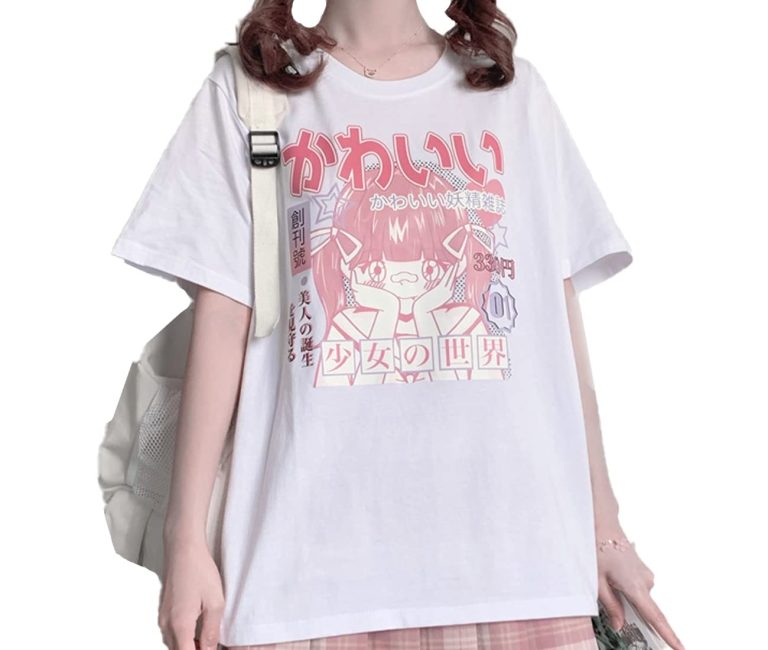

Kawaii fashion, originating in Japan during the late 20th century, has grown from a local cultural phenomenon into a global style movement. Initially characterized by its emphasis on cuteness and innocence, kawaii fashion encompasses pastel colors, playful accessories, and childlike motifs. The term “kawaii” itself translates to “cute,” reflecting the aesthetic’s core values of softness and youthfulness. While it began as an expression of Japanese youth culture in the 1970s and 1980s, particularly among teenage girls who sought to challenge traditional norms through playful dress, kawaii fashion has since evolved significantly beyond its original borders.
The spread of kawaii fashion internationally can be attributed largely to globalization and digital communication. The internet allowed enthusiasts worldwide to access Japanese media such as anime, manga, and music videos that prominently featured kawaii elements. Social media platforms became hubs for sharing styles inspired by these influences while enabling communities dedicated to various subgenres like Lolita, Fairy Kei, or Decora. These groups adapted traditional kawaii aesthetics by blending them with their own cultural references or contemporary trends. Consequently, what was once a distinctly Japanese style transformed into a diverse array of interpretations across different countries.
In Western nations especially, kawaii fashion has been embraced not only as an alternative form of self-expression but also within mainstream pop culture contexts. Designers have incorporated cute motifs into high-fashion collections while retailers sell themed merchandise ranging from clothing lines Kawaii Fashion to beauty products targeting younger consumers interested in playful looks. Events such as conventions celebrating Asian pop culture have further fueled interest by providing spaces where fans can showcase their outfits and connect with others who appreciate this distinct visual language.
Moreover, the evolution of kawaii fashion reflects broader shifts in societal attitudes toward identity and gender expression globally. Its focus on softness challenges rigid ideas about masculinity or femininity by encouraging creativity without strict boundaries. This inclusivity attracts individuals seeking comfort in whimsical aesthetics regardless of age or background.
Despite these expansions and adaptations abroad, contemporary kawaii still retains strong ties to its Japanese roots through ongoing collaborations between international brands and creators based in Japan. These partnerships help preserve authenticity while promoting innovation within the style’s framework.
Overall, the journey of kawaii fashion beyond Japan illustrates how cultural phenomena can transcend geographic limits when supported by technology and community engagement. It continues evolving dynamically worldwide as new generations reinterpret its principles according to changing tastes and social landscapes while honoring its original spirit centered on joyfulness and charm.
About the Author